
Myopia Management in Arcadia: Choosing an Approach That Fits Your Child’s Daily Routine

Myopia Management in Arcadia: Choosing an Approach That Fits Your Child’s Daily Routine

Myopia Management in Arcadia: Choosing an Approach That Fits Your Child’s Daily Routine

Myopia Management in Arcadia: Choosing an Approach That Fits Your Child’s Daily Routine

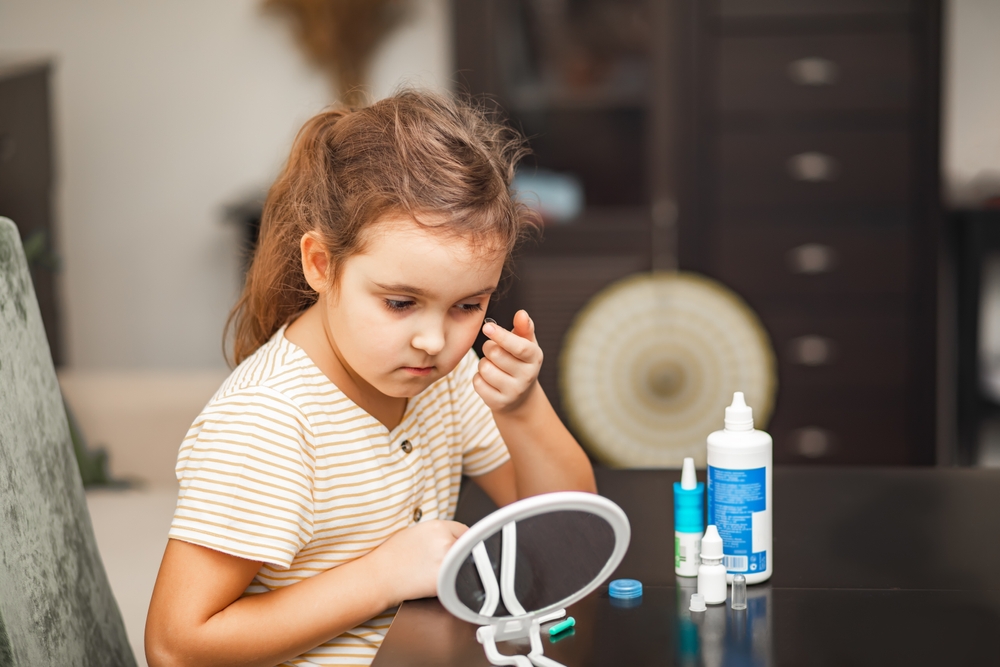
Between school, sports, homework, and extracurricular activities, children have busy schedules. If your child is nearsighted, choosing the right myopia management approach involves more than correcting blurry vision. At Premier Vision Optometry in Arcadia, we help families explore treatment options designed to slow myopia progression while considering each child's daily routine, comfort, and visual needs.
Why Myopia Management Matters for Children
Myopia, or nearsightedness, makes distant objects appear blurry while nearby objects remain clearer. It often develops during childhood and can progress as the eyes grow.
Although traditional glasses and contact lenses correct blurry vision, they do not necessarily slow myopia progression. Myopia management focuses on reducing how quickly nearsightedness worsens, potentially lowering the risk of certain eye health complications associated with higher levels of myopia.
Starting with a comprehensive pediatric eye exam allows us to evaluate your child's prescription, eye health, and potential treatment options.
Myopia Management Options That Fit Different Lifestyles
Different myopia control treatments have different requirements. Understanding how each works can help parents choose an approach their child can follow consistently.
• Orthokeratology (Ortho-K): These specially designed contact lenses are worn overnight to temporarily reshape the cornea. Children remove them in the morning and may enjoy clear vision throughout the day without glasses. Ortho-K can be appealing for active children who participate in sports. However, it requires consistent overnight wear, careful cleaning, and monitoring because sleeping in contact lenses carries an infection risk.
• Multifocal Soft Contact Lenses: Certain specially designed soft contact lenses can help slow myopia progression while correcting vision. Daily disposable options may work well for children who prefer daytime contact lens wear and can manage proper lens handling. These lenses must be removed before sleeping, swimming, or showering.
• Low-Dose Atropine Eye Drops: These prescription drops are typically administered at bedtime and may help slow myopia progression. They can be an option for children who prefer glasses over contact lenses.
Choosing a Treatment Based on Your Child's Routine
When discussing myopia management in Arcadia, we consider more than your child's prescription. Their age, activities, comfort level, and ability to maintain treatment all influence which approach may be appropriate.
For example, a child who plays competitive sports may appreciate the daytime freedom of Ortho-K. Another child might prefer daytime soft contact lenses, while a younger child who is not ready for contacts may be more comfortable with prescription eye drops.
Parents should also consider whether their child can follow the treatment schedule and maintain proper hygiene. The best approach is one that addresses their clinical needs and can be followed safely and consistently.
Supporting Myopia Management at Home
Treatment works best when paired with healthy visual habits and regular monitoring. Encouraging outdoor activities, taking breaks during prolonged near work, and maintaining appropriate reading distances can support children's visual well-being. These habits do not replace prescribed myopia management. Follow-up appointments allow us to monitor prescription changes, evaluate treatment effectiveness, and make adjustments when needed.
If your child's nearsightedness is progressing, schedule a myopia management evaluation with Premier Vision Optometry to learn more about personalized myopia control options for your child. Contact our office in Arcadia, CA, by calling (626) 446-6300 to book an appointment today.


© 2026 Premier Vision Optometry. All rights Reserved | Accessibility Statement| Privacy Policy | Sitemap
Powered by:
